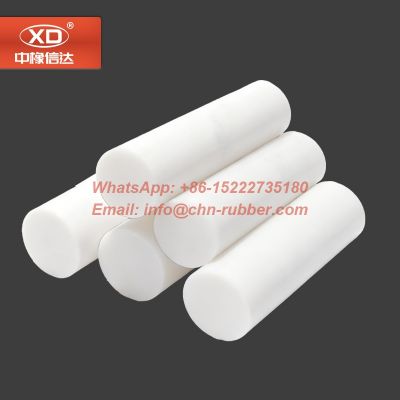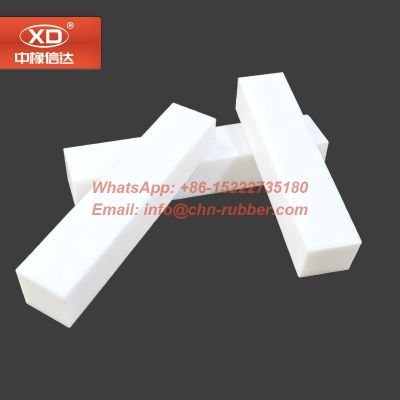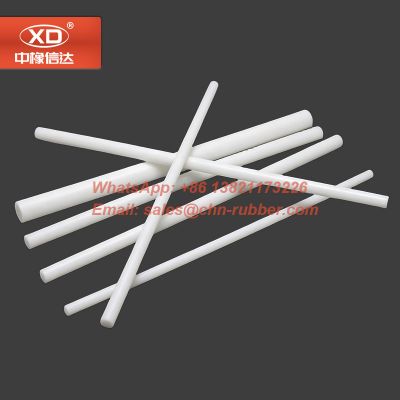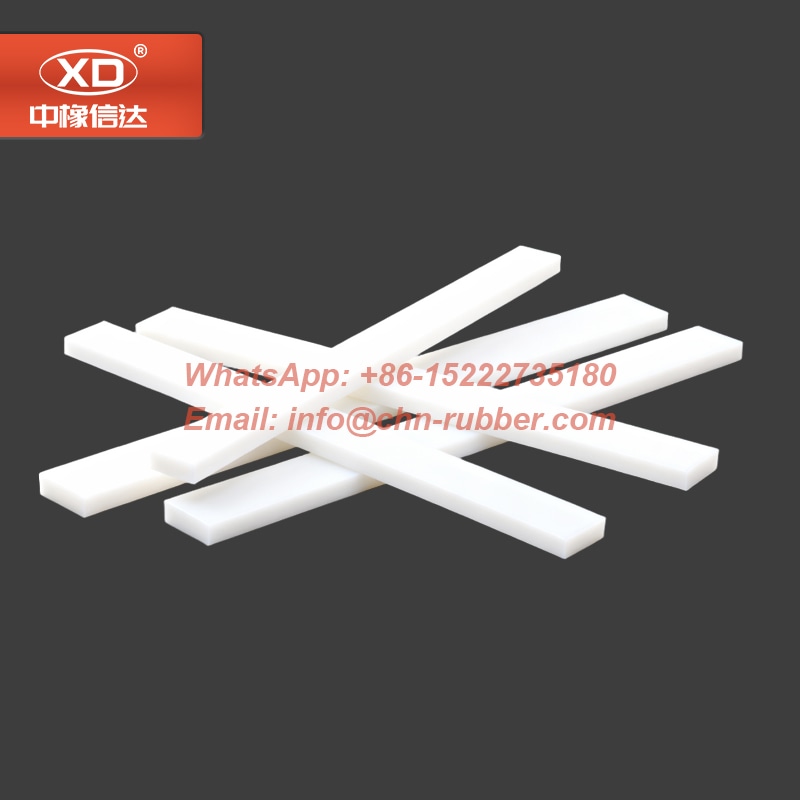
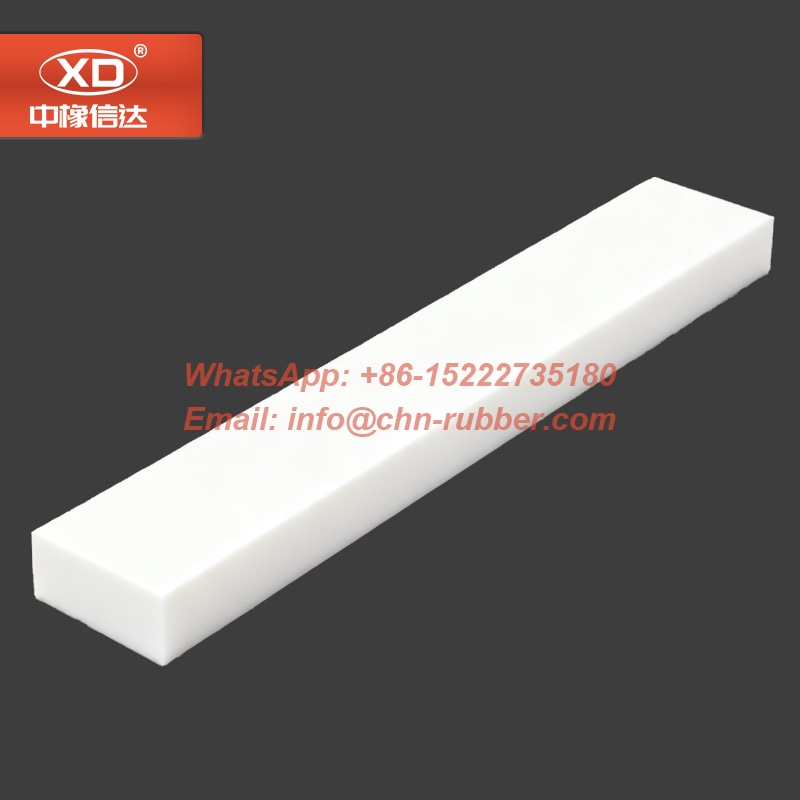
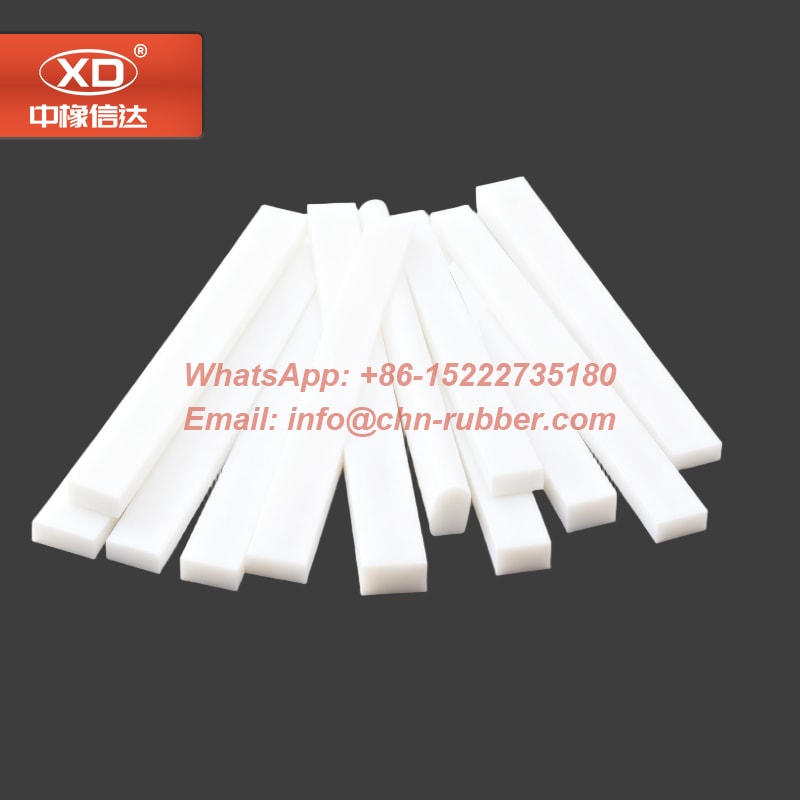
High-Density Molded PTFE Flat Bar for Industrial Wear Profiles
PTFE flat bar profiles are manufactured using a specialized high-tonnage hydraulic compression molding and controlled thermal sintering process. This technical production approach yields a remarkably dense, molecularly stable fluoropolymer structure with uniform wall thickness and exceptional flatness. When deployed as chemical barrier profiles, heavy mechanical sliding guides, or high-dielectric electrical insulation panels, these molded bars maintain strict dimensional tolerances under extreme structural compression and harsh chemical exposures without micro-cracking.
- Molded Density Excel: Fabricated exclusively through premium molding lines to ensure an exceptionally dense, non-porous fluoropolymer matrix.
- Chemical Inertness: Provides total structural resistance against aggressive acids, alkalis, solvents, and corrosive industrial fluids.
- Custom Dimensional Layouts: Available in a comprehensive range of thicknesses and custom-cut lengths optimized for rapid on-site CNC machining.
Kathery Cui (Sales 1)
Mobile Phone:+86 15222735180
WhatsApp: 8615222735180
E-mail: info@chn-rubber.com
Molded PTFE Flat Bar Dimensions & Engineering Parameter Matrix
| Available Compound Grades | Primary Industrial Application |
| 100% Virgin Premium PTFE Grade | Food-grade wear strips, pharmaceutical guides, chemical seals. |
| Glass Fiber Reinforced (15% / 25%) | High-load mechanical guide rails, industrial slide blocks. |
| Carbon / Graphite Filled Matrix | Self-lubricating piston guide rings, dry-running wear plates. |
Advanced Hydraulic Molding: Eliminating Internal Porosity & Dimensional Creep
The method used to manufacture fluoropolymer profiles has a direct impact on their performance in heavy industrial environments. While continuous screw extrusion works well for basic, thin rod products, it can introduce hidden stress patterns and tiny micro-voids inside thicker, wider shapes. Under heavy continuous pressure or sudden physical stress, these compromised sections can split, bend, or warp out of alignment.
To prevent these mechanical vulnerabilities, our manufacturing plant produces our heavy-duty ptfe flat bar options using a precise compression molding and thermal sintering technique. We pack raw, premium polymer resins into heavy steel molds, compressing them under high-pressure hydraulic cylinders. This intense force packs the material evenly, creating a consistent density throughout the block. Next, the pre-formed bar is sintered in an automatic oven where temperatures are closely controlled. This allows the polymer molecules to fuse into an ultra-dense, balanced structure that resists material creep and cold-flow deformation under load.
Engineered Material Adaptability: From Food-Safe Machinery to Corrosive Chemical Lines
Modern manufacturing plants—such as chemical processing units, automated food packaging lines, and electronics assembly facilities—face different operational challenges. For instance, food and drug equipment requires components that are completely non-toxic and can handle intensive steam sterilization without breaking down. Our virgin molded bars are naturally chemically inert, unreactive, and compliant with clean-room standards, making them an excellent choice for custom wear plates, scraping blades, and conveyor guide rails in hygienic systems.
For heavy industrial operations like chemical refining or metal processing, pure plastics can sometimes require extra reinforcement to withstand continuous mechanical friction. To meet these demands, we blend pure resins with specialized reinforcing agents—including milled glass fibers, fine graphite flakes, and high-strength carbon. These custom compounds increase the load capacity, boost wear resistance, and maintain a low coefficient of friction, extending the lifespan of your heavy-duty mechanical sliding parts.
In-House Precision CNC Machining & Specialized Sheet Processing
A primary benefit of our high-quality molded flat bar stock is its exceptional machinability. The uniform density of our molded blocks allows machining technicians to mill, drill, and cut the material without worrying about hidden air pockets or internal stress causing the part to twist or deform. Our facility features an advanced CNC machining workshop where we produce finished sliding components to exact project specifications and close tolerances.
We can add precise countersunk bolt holes, smooth radiused edges, and specialized surface channels for grease storage. For installations that require the bar to be permanently mounted to a steel plate or support frame, we offer premium sodium-naphthalene chemical etching on one side. This treatment changes the smooth surface layer of the fluoropolymer, allowing it to form a highly secure bond when mounted with industrial epoxy adhesives on site.
Technical Reference & Product Application FAQ
Q1: Why choose a hydraulic molded ptfe flat bar profile over standard extruded polymer bar stock?
A: Extruded bar stock often retains internal manufacturing stresses that can cause the material to twist, warp, or bow when cut or machined. Our molded bars are pressed and cured using a specialized, slow sintering process that removes these stresses, yielding flat, stable profiles that remain dimensionally accurate during precision milling.
Q2: Can these molded profiles be used in continuous high-temperature chemical environments?
A: Yes, our pure virgin bars maintain continuous operational reliability across an extreme temperature range from -200°C up to +260°C. They resist chemical degradation from almost all industrial acids, aggressive solvents, and alkalis, making them a premier choice for fluid handling systems.
Optimize Your Mechanical Wear Profiles Today
Protect your factory lines, automated conveyor paths, and corrosive chemical handling channels from friction binding and dimensional wear. Source high-density molded profiles engineered for demanding modern industrial systems. Contact our engineering sales team today to share your sizing blueprints, request formal material test certifications, or receive a competitive factory-direct wholesale quote delivered to your destination port.
Kathery Cui (Sales 1)
Mobile Phone:+86 15222735180
WhatsApp: 8615222735180
E-mail: info@chn-rubber.com